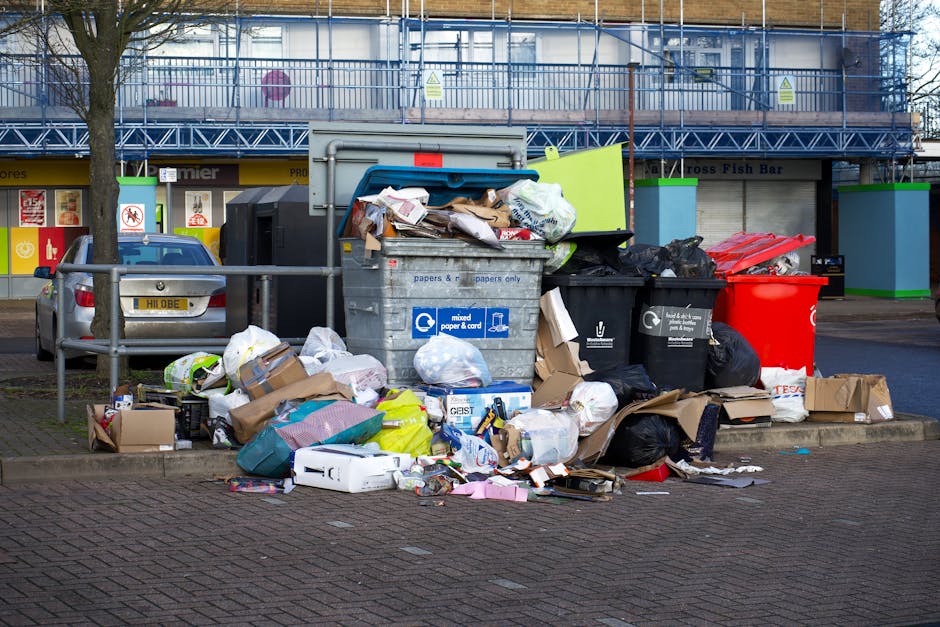
Bethnal Green Road rubbish removal guide for flats E2
If you live in a flat on or near Bethnal Green Road and the rubbish is starting to take over, you are not alone. Shared entrances, narrow stairwells, awkward lift access, and the usual London squeeze can turn a simple clear-out into a faff. This Bethnal Green Road rubbish removal guide for flats E2 is here to make the whole thing feel manageable again. We'll walk through how flat rubbish removal works, what to plan for, where people usually get stuck, and how to keep it safe, legal, and surprisingly efficient.
Whether you're dealing with one bulky item, a full flat clearance, or the awkward mix of old furniture, bagged waste, and the odd broken appliance, the right approach saves time and stress. And yes, it can save you a bit of money too, which never hurts.
Table of Contents
- Why Bethnal Green Road rubbish removal guide for flats E2 matters
- How Bethnal Green Road rubbish removal guide for flats E2 works
- Key benefits and practical advantages
- Who this is for and when it makes sense
- Step-by-step guidance
- Expert tips for better results
- Common mistakes to avoid
- Tools, resources and recommendations
- Law, compliance, standards, or best practice
- Options, methods, or comparison table
- Case study or real-world example
- Practical checklist
- Conclusion
- Frequently asked questions
Why Bethnal Green Road rubbish removal guide for flats E2 matters
Flats in E2 often come with a few built-in challenges. There may be limited parking, tight hallways, shared bin storage, and neighbours who would quite like the corridor to remain a corridor, thank you very much. That means rubbish removal is not just about lifting things out. It is about planning the route, respecting the building, and making sure waste leaves the property without causing disruption.
This matters for another reason too: in flats, waste tends to build up quickly and feel more annoying than it would in a house. One broken wardrobe in a one-bed flat can suddenly dominate the room. A few moving boxes become a maze. Old mattresses lean against the wall for a week and somehow the place feels smaller by the hour. Truth be told, clutter has a way of making itself louder in compact homes.
A good rubbish removal plan also helps you avoid bad choices. Leaving items in the wrong place, trying to drag heavy waste down stairs alone, or using an unlicensed operator can create problems that are completely avoidable. If your flat clear-out includes furniture, appliances, or a larger mixed load, it may be worth looking at flat clearance or broader waste removal support rather than trying to piece everything together yourself.
Key point: In a flat, the main job is not only removing waste. It is removing it cleanly, safely, and with the least friction for you and your neighbours.
How Bethnal Green Road rubbish removal guide for flats E2 works
The process is usually more straightforward than people expect once the basics are sorted. You identify what needs to go, check whether any items need special handling, and then arrange the removal in a way that suits your access and schedule. In a flat, that access part is often the bit that matters most.
For example, if you are on an upper floor and the lift is small or unreliable, a collection team needs to know in advance. If the waste is sitting in a back bedroom with a narrow hallway, that matters too. If it is a ground-floor flat with easy street access, the job is usually quicker. The more precise the information, the smoother the collection tends to be.
There is also the question of what exactly you are getting rid of. Mixed household waste, furniture, appliances, mattresses, and renovation debris can all be handled differently. A single item removal is one kind of job; a full declutter is another. If you are clearing sofas, beds, or wardrobes, the relevant pages on furniture disposal and mattress and sofa disposal may be useful to understand the type of load involved.
For heavier or awkward items, good planning is half the battle. A fridge in a third-floor flat with no lift is a very different proposition from a few bin bags and a bedside table. If appliances are involved, especially fridges and freezers, look at fridge and appliance removal because these items often need more careful handling than standard rubbish.
A simple working pattern
- List the items and separate ordinary waste from bulky or specialist items.
- Check access: stairs, lift, parking, loading restrictions, door widths, and any building rules.
- Choose the right service level for the amount and type of waste.
- Prepare the items so they can be removed quickly and safely.
- Confirm collection timing, then keep the route clear on the day.
That sounds basic, but honestly, basic is where the win is. Most delays happen because one small access detail was missed at the start.
Key benefits and practical advantages
The biggest benefit is obvious: you get your space back. But there are a few other advantages worth spelling out, especially in a flat.
- Less disruption in shared spaces: a planned collection reduces corridor clutter and awkward carrying back and forth.
- Safer handling: bulky items can be moved without the risk of dinging walls, stairs, or your back.
- Faster turnaround: what might take you half a day can be done much more efficiently with the right support.
- Better sorting: reusable, recyclable, and general waste can be dealt with more appropriately.
- Less stress: no van hiring, no lifting struggle, no guessing where everything should go.
There is a practical comfort in knowing the job is being handled properly. You will notice it most on the day itself. One minute the spare room looks impossible; the next, the floor is visible again and the whole flat feels lighter. Small miracle, really.
For residents who are decluttering, renovating, or preparing a tenancy handover, services like home clearance and house clearance can also help if the job is bigger than a single room or a couple of bags.
Who this is for and when it makes sense
This guide is especially useful if you are:
- a tenant leaving a flat and needing to clear unwanted items quickly
- a landlord preparing a property between tenancies
- a homeowner sorting out accumulated waste in a compact space
- a flat-sharer dealing with shared clutter and furniture
- someone moving in and discovering the previous occupant left more behind than expected
- anyone in E2 who needs rubbish gone without causing drama in a shared building
It makes sense when the waste is too much for normal bins, too bulky for a simple walk-out, or too awkward to manage safely on your own. It also makes sense when timing matters. If you have guests coming, a tenancy deadline looming, or builders arriving, you want the flat cleared in a way that supports the next step rather than slowing it down.
For trades-related debris, there is a separate angle to think about. Minor renovation waste and packaging may be manageable, but heavier rubble or timber can need a different approach. That is where builders waste clearance becomes relevant, especially if a flat has just had work done.
Step-by-step guidance
If you want the cleanest possible process, follow this sequence. It is simple, but it works.
1. Sort the waste by type
Start with a quick separation. Keep ordinary household waste apart from furniture, electricals, sharp items, and anything that may be classed as hazardous. This makes the job safer and helps avoid last-minute confusion.
2. Measure the awkward pieces
Large wardrobes, sofa beds, and fridges can look manageable until they reach the hallway. Measure them if there is any doubt. In flats, the issue is rarely floor space alone; it is the route out. A few centimetres matter more than people think.
3. Check building access and timing
Ask yourself: is there lift access? Are there time restrictions in the block? Is there a loading bay nearby? Can waste be moved straight to the vehicle, or will it need carrying through shared areas? If you are unsure, gather the facts before booking.
4. Protect the route
Use door guards, blankets, or simple corner protection if bulky items are coming out. Even careful movers can scuff a wall when a bed frame twists at the last corner. It happens. Keeping the route clear helps everyone.
5. Prepare specialist items separately
Batteries, fridges, sofas, and any questionable materials should be flagged early. If you have documents mixed into the clutter, confidential shredding is worth considering rather than leaving papers in general waste.
6. Book the right service and confirm the plan
Make sure the collection method matches the amount of rubbish and the access conditions. If you are comparing options, it is sensible to review pricing and quotes so you know what affects the total and what information you need to give upfront.
7. Do a final sweep
On the day, walk through the flat once more. Look behind doors, under beds, inside cupboards, and on balconies if relevant. You'd be surprised how often a stray chair leg or box of cables gets missed. Then you are done.
Expert tips for better results
Over the years, the best results tend to come from people who prepare a little, not from people who over-plan everything into oblivion. A few smart moves go a long way.
- Keep one staging area: pile everything in one place if possible, rather than scattering items across rooms.
- Label what matters: if some items are staying and others are going, use clear labels or coloured tape.
- Think about neighbours: if a collection is likely to be noisy or take longer, choose a time that minimises disruption.
- Separate reusable items: a usable chair or table may deserve a second life rather than going in a mixed load.
- Take photos before booking: visual context helps if your flat has odd access or more waste than first expected.
- Ask about recycling: a responsible operator should be able to explain how they handle mixed loads and divert recyclable material where possible. Recycling and sustainability is worth understanding, even on a small flat job.
A tiny bit of preparation can shave a surprising amount of time off the collection. The job feels calmer. Everyone likes that. Especially on a wet Tuesday at 8:30 a.m., which is, let's face it, when half the awkward jobs seem to happen.
Common mistakes to avoid
Most problems with flat rubbish removal are avoidable. Here are the ones that come up again and again.
Leaving access details until the last minute
If the lift is small, the hallway bends sharply, or parking is tricky, say so early. This is one of those things that feels minor until it becomes the whole job.
Mixing hazardous items into general waste
Paint tins, chemicals, certain electronics, and damaged appliances may need special handling. Do not assume they can be bundled in with everything else. If in doubt, check the category first and keep risky items separate.
Underestimating the volume
It is easy to think "it's only a few bits" and then discover you have three chairs, two mattresses, a broken desk, and a pile of old packaging. Count it honestly. Saves grief.
Trying to lift too much yourself
Flat clear-outs can be physically awkward, especially on stairs. If a piece looks heavy or unbalanced, get help. A rushed lift can damage the item, the wall, or your shoulder. Not worth it.
Forgetting about the building rules
Some blocks have rules about noise, lift use, or moving waste through common areas. Even when they are not written down anywhere obvious, there may still be an expectation of tidy, quick movement.
Tools, resources and recommendations
You do not need much equipment for a successful flat clearance, but the right tools make a difference.
- Heavy-duty bags: useful for mixed household waste that is not suitable for flimsy bin liners.
- Gloves: common sense, really, especially for sharp packaging or dusty loft-like storage corners.
- Measuring tape: invaluable if you have large items, narrow doors, or awkward stair turns.
- Permanent marker and labels: helps separate keep, donate, and remove piles.
- Basic dust sheets or blankets: ideal for protecting the route out of the flat.
- Phone camera: quick photos help you remember access issues and item sizes.
If you are choosing a provider, a few service pages can help you understand the wider support available. For example, furniture clearance is useful when the bulk of the load is sofas, tables, beds, or wardrobes, while office clearance may be more relevant for home offices or small business equipment inside a flat.
If you are also comparing terms and service standards, it is sensible to review insurance and safety, along with health and safety policy. Those pages help set expectations about care and professionalism.
Law, compliance, standards, or best practice
For rubbish removal in flats, the main thing is to use a responsible, appropriate service and avoid fly-tipping or unsafe disposal. In the UK, householders still have a duty of care in practice to make sure waste is passed to the right people and not dumped irresponsibly. That is the practical rule that matters most here.
In plain English: if someone offers to take your rubbish away cheaply but cannot explain where it goes, that is a red flag. If waste ends up tipped somewhere it should not be, the original owner can still face problems. Nobody wants that headache.
For flats, best practice also includes respecting common areas, keeping emergency routes clear, and handling bulky or sharp waste safely. If items are electrical, liquid-filled, or potentially harmful, they should be separated and treated as specialist waste. For a clear overview of materials that may or may not be suitable for mixed disposal, what can go in a skip is a helpful reference point, even if you are not booking a skip itself.
If your rubbish includes potentially dangerous materials, do not improvise. hazardous waste disposal exists for a reason, and this is one area where caution really pays off.
Options, methods, or comparison table
There are usually three practical ways to deal with flat rubbish in E2. Each has a place, depending on the amount, access, and urgency.
| Method | Best for | Pros | Watch-outs |
|---|---|---|---|
| DIY disposal | Very small volumes, light items, no urgency | Low direct cost if you already have transport | Time-consuming, physically tiring, can be tricky in flats |
| Skip-style approach | Larger renovation or mixed loads with enough space and access | Good for bigger clear-outs | Not always practical for flats because of street space and placement limits |
| Professional rubbish removal | Bulky items, awkward access, fast turnaround | Convenient, safer, less disruption | Costs vary by load size and item type |
For many flats on Bethnal Green Road, professional removal is the most balanced option because access is the real constraint. A skip can work in the right circumstances, but in densely built E2 streets, that is not always the easiest route. If you want to understand skip limits and load suitability, what can go in a skip is a useful guide.
If the job is mainly furniture, then a targeted approach often makes more sense. If it is a bigger domestic clear-out, the broader home clearance route may be more efficient.
Case study or real-world example
Here is a realistic example. A tenant in an E2 flat is moving out and has a broken wardrobe, an old mattress, two desk chairs, several bags of clothes, and a fridge that stopped working months ago. The flat is on the second floor, the lift is too small for the wardrobe, and the hallway has a sharp turn near the front door. Nothing dramatic, just the sort of job that quietly becomes annoying.
The smart move is to separate the items first: clothes into donate/reuse, general waste into bagged loads, mattress and sofa-type items into their own category, and the fridge flagged as an appliance. The route is cleared, the furniture is broken down where possible, and the provider is told about the access issues before arrival. On the day, the collection is much quicker because the awkward bits were planned properly.
The result? Less time in the stairwell, less risk of damage, and no last-minute panic about whether the fridge can be moved safely. A straightforward job in the end, but only because the details were handled early.
That is the real pattern with flat rubbish removal: most of the difficulty disappears once you stop treating it like a simple "take it away" task. It is a logistics task with bins and furniture in it. Sounds less glamorous, but it works.
Practical checklist
Use this before booking a collection or starting a flat clear-out.
- List every item you want removed.
- Separate general waste, furniture, appliances, and anything hazardous.
- Check whether the lift works and whether stairs are the only access.
- Measure large items and narrow doorways.
- Confirm any parking or loading restrictions.
- Protect walls, floors, and corners if bulky items are being moved.
- Set aside documents for confidential shredding if needed.
- Take photos of awkward items before the collection.
- Review pricing and quotes so you understand what affects cost.
- Keep the hallway and exit route clear on collection day.
If you tick off those points, the day usually goes much more smoothly. Not perfect, perhaps, but noticeably easier. And that's the goal.
Conclusion
A Bethnal Green Road rubbish removal guide for flats E2 is really about one thing: making a difficult job feel simple enough to complete without stress. In flats, the difference between chaos and calm often comes down to preparation, access, and choosing the right type of removal for the items you actually have.
Start by sorting your load properly. Think about stairs, lifts, neighbours, and the items that need special handling. Use the right service for bulky furniture, appliances, or mixed waste. And if the job is bigger than you first expected, that is normal. Happens all the time, honestly.
Handled well, flat rubbish removal gives you more than a cleaner room. It gives you breathing space. A bit of order. A better start to whatever comes next.
Get a free quote today and see how much you can save.
Frequently Asked Questions
What is the easiest way to remove rubbish from a flat on Bethnal Green Road?
The easiest way is usually to sort the waste first, check access carefully, and arrange a collection that matches the amount and type of items. In flats, planning matters more than brute force.
Can bulky furniture be removed from a top-floor flat?
Yes, but the route out needs to be checked first. Stair width, lift size, corners, and weight all affect how the item can be moved safely.
Do I need to separate appliances from general rubbish?
Usually yes. Appliances often need separate handling, especially fridges and freezers. They should not be treated the same as ordinary household waste.
Is flat rubbish removal suitable for just one or two items?
Absolutely. It can be ideal for a mattress, sofa, broken wardrobe, or a single appliance if moving it yourself would be awkward or unsafe.
What if my flat has no lift?
That is common in E2 and it does not rule out collection. It just means the collection team needs to know in advance so the route and timing can be planned properly.
How do I know if something counts as hazardous waste?
If it is chemical, potentially harmful, sharp, or otherwise risky to handle casually, treat it with caution. When in doubt, keep it separate and seek specialist handling rather than guessing.
Can I put everything into bags and leave it in the hallway?
It is better to keep bags in one safe staging area rather than blocking shared spaces. Hallways in flats should stay clear, especially if other residents use them regularly.
How much preparation should I do before collection day?
Enough to make access easy and the items obvious. You do not need to overdo it, but sorting, labeling, and clearing the route can save a surprising amount of time.
What should I do with confidential papers from a flat clear-out?
Keep them separate and use a proper shredding service such as confidential shredding rather than putting them with general waste.
Is it better to use a skip or a rubbish removal service for a flat?
It depends on the load and access. In many flats, a collection service is simpler because skips need space and may not suit tight street access or restricted building layouts.
What is the main mistake people make with flat rubbish removal?
Underestimating access issues. People often focus on the waste itself and forget the lift, stairs, parking, or building rules. That is where the job usually gets complicated.
How do I choose a trustworthy rubbish removal provider?
Look for clear pricing, sensible communication, and good explanations of how waste is handled. Pages like insurance and safety and about us can help you understand a provider's standards and approach.
Sometimes the best clear-out is the one that feels unremarkable by the end. That is not boring; that is success.